- Google Analytics ?

History
Every film screening needs a projectionist. When cinema networks expanded rapidly after the war, the demand for people who could be trusted with a print, a carbon arc and a full house produced something that now seems remarkable: a formal system of training and examination for the trade.
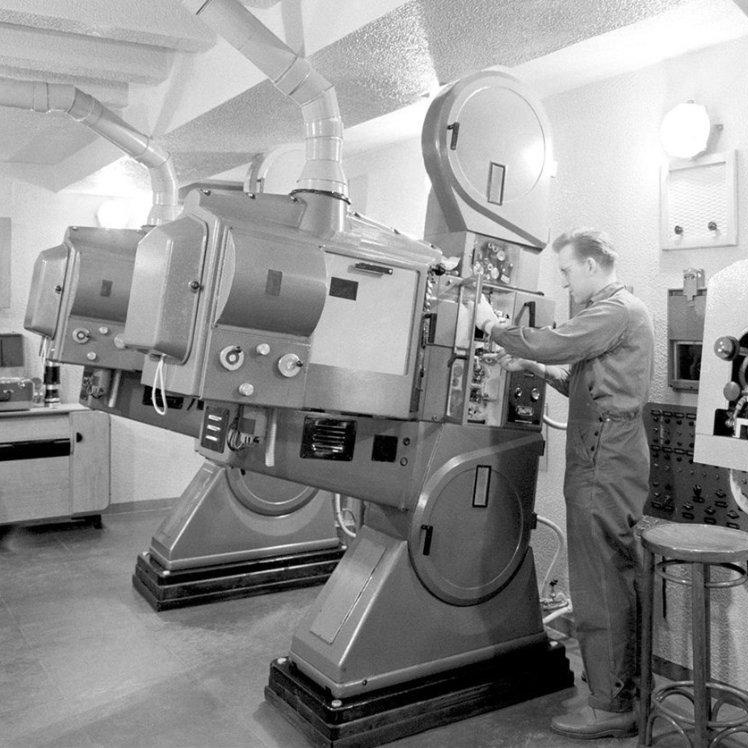
1954
The trade becomes law
In Czechoslovakia, the system was codified in 1954. Candidates prepared through projectionist courses, learned on real machines in real cinemas, and sat an examination before a state board. What they received was a projectionist's licence — and, for seventy years, that licence remained a legal requirement to project a 35mm film.
1954 — 2018
The training outlives the state that created it
Courses continued through the end of Czechoslovakia and into the present, moving between institutions as each one closed, until a single course remained — taught, since 2018, by the author of this platform.
2024 — 2025
Seventy years later, a new framework
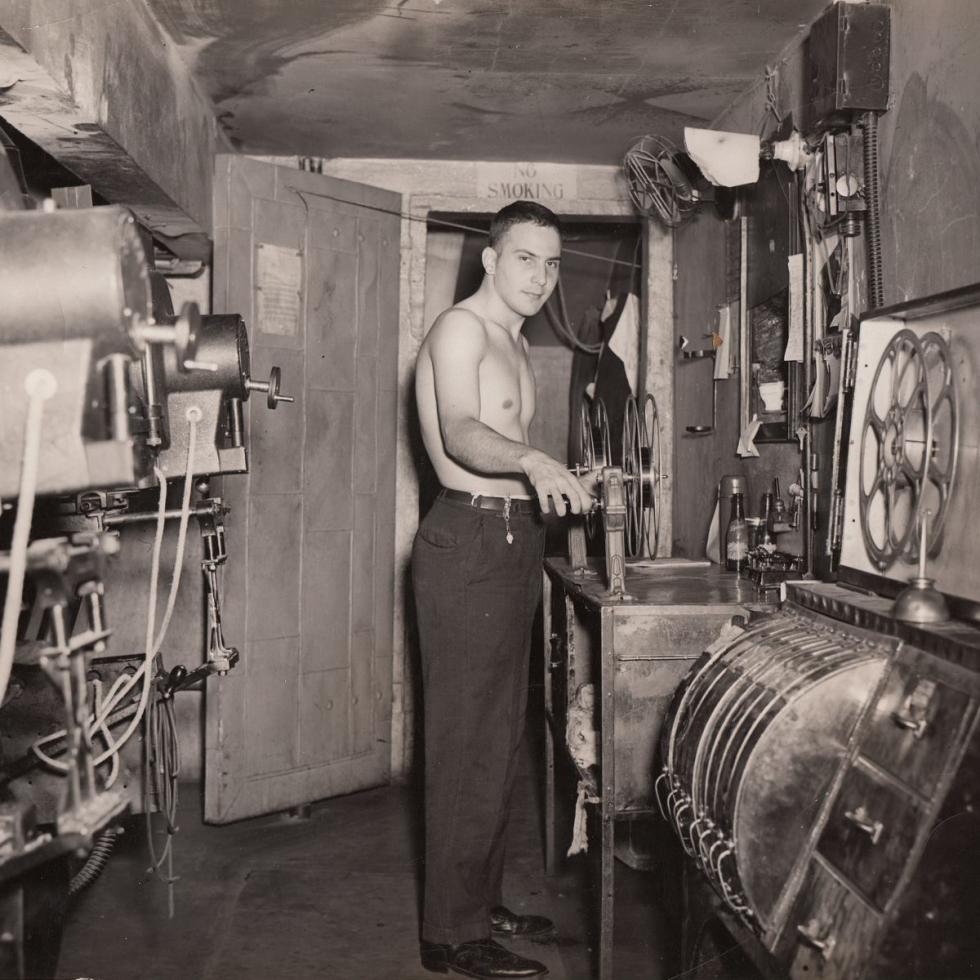
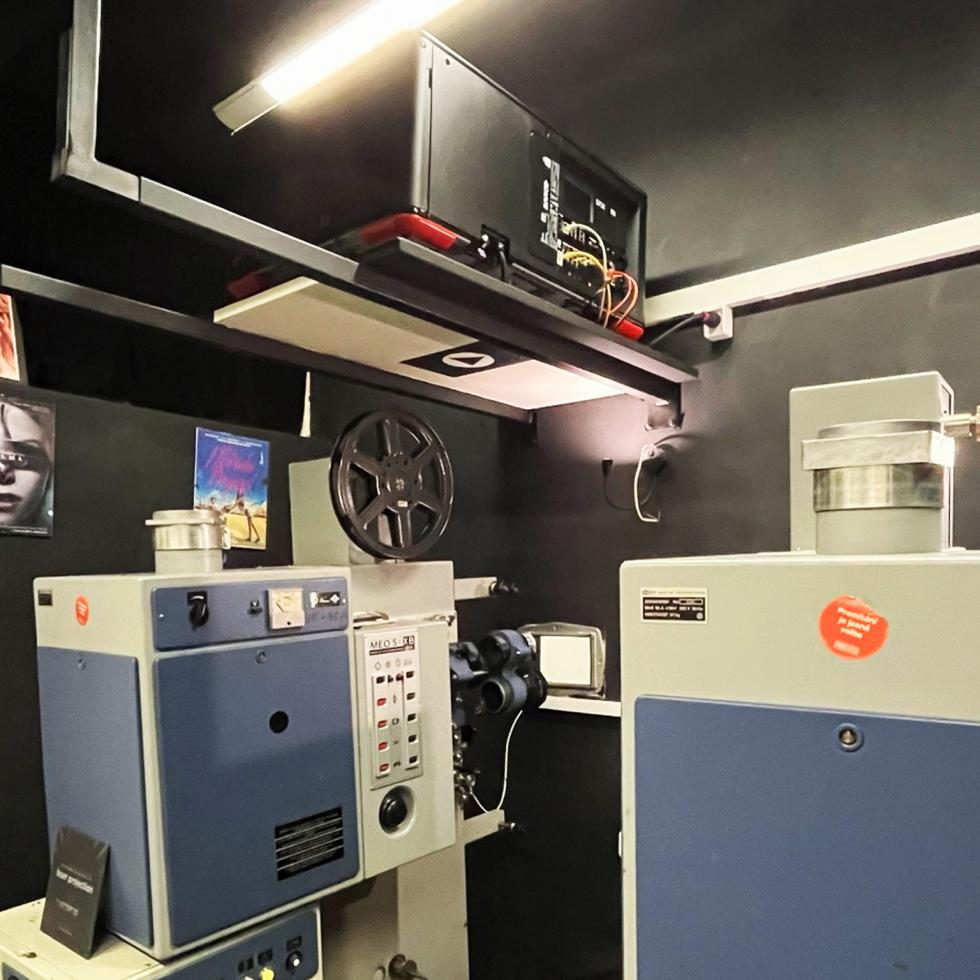
In 2024, after seventy years, the original 1954 decree was finally repealed. In 2025 the trade was rewritten as a modern occupational qualification, and the last projectionist's licences were issued.
The reason any of this matters is simple. Photochemical film did not disappear; it became scarce, expensive and irreplaceable. A print that would once have been one of two hundred is now one of two. The margin for a mishandled reel has vanished, and with it the idea that a projectionist is someone who merely presses start.
This platform exists to carry that training forward — to anyone, anywhere, who is going to be alone in a booth with something that cannot be replaced.
Sources
[1] STRUSKA, Jiří and JIRÁČEK, Milič (ed.). Příručka pro promítače [A Projectionist's Handbook]. Prague: Naše vojsko, 1956.
[2] LUJKOVÁ, Květa. Historie Střední průmyslové školy filmové v Čimelicích [A History of the Film Technical School in Čimelice]. Online. 25fps, 2012. Available at: 25fps.cz 🇨🇿
[3] Chronicle of the Secondary Technical School of Telecommunications in Prague, 1972–1989. Unpublished.
[4] Chronicle of the Secondary Technical School of Communications in Prague, from 1989. Unpublished.